
Introduction
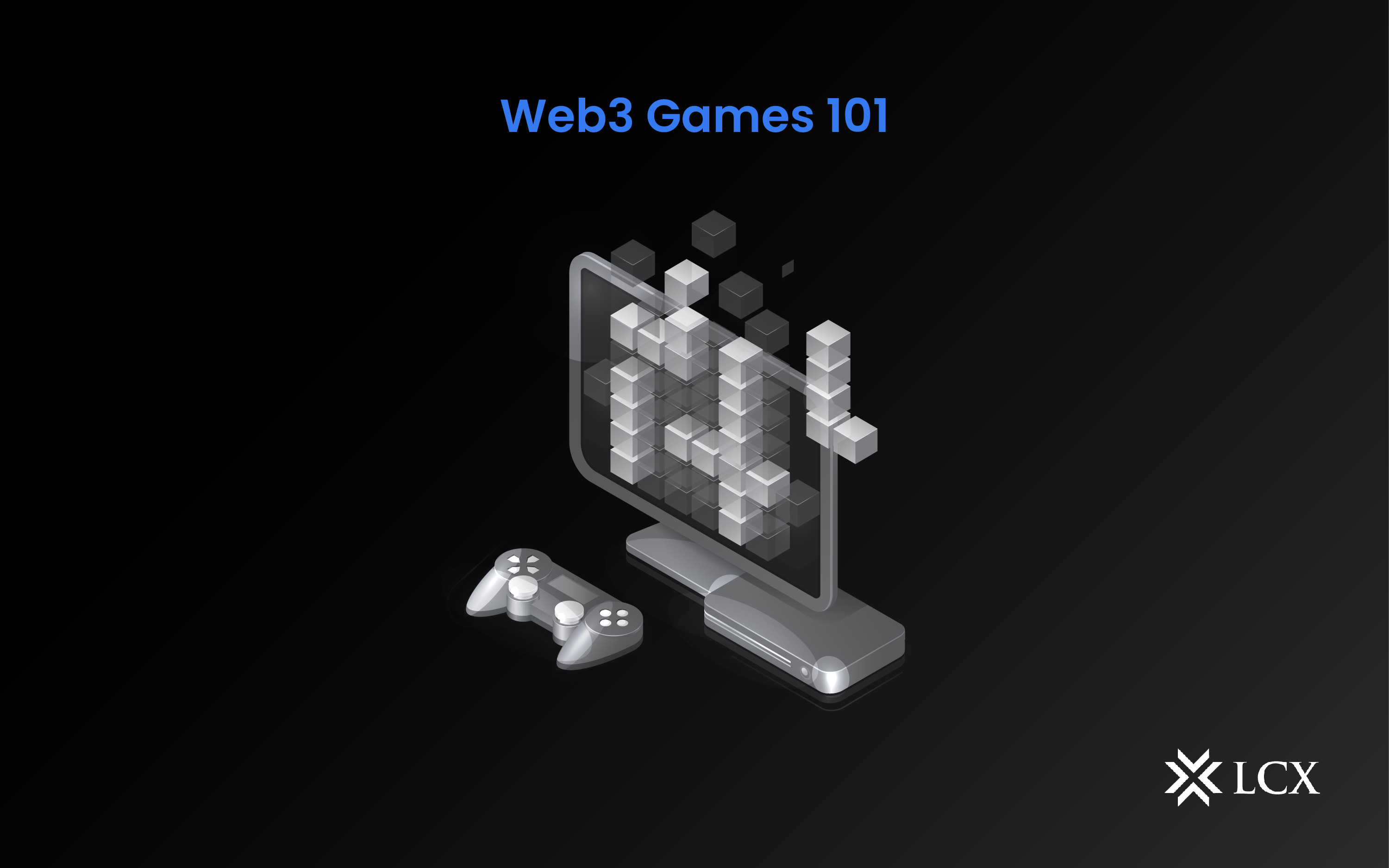
Web3-based gaming, often known as blockchain gaming, refers to the use of distributed ledger technology to provide greater transparency, security, democratization, and user control over in-game assets.
Web3 games are based on the decentralized, peer-to-peer blockchain architecture and feature cryptocurrency and nonfungible tokens (NFTs). Blockchain enables players to possess and trade in-game items, such as NFTs and other digital assets, and to transfer them without the intervention of a third party. Using smart contracts, the assets are maintained and exchanged on decentralized marketplaces.
Decentralization provides the gaming business and players with numerous distinct advantages. Decentralized gaming gave rise to the play-to-earn (P2E) gaming model, in which gamers earn bitcoin by playing and leveling up in games. The inventions of decentralized autonomous organizations (DAOs), crypto-secured game wallets, and the metaverse all contribute to the gaming industry’s financial power.
According to a report by the consulting firm MarketandMarkets, the global blockchain gaming market will increase from $4.6 billion in 2022 to $65.7 billion in 2027. There are roughly three billion gamers worldwide.
How Do Web3 Games Work?
Web3 games utilize blockchain technology to provide decentralized ownership of in-game assets and currencies and enable players to earn, sell, and use these assets outside the game. They also often incorporate cryptocurrency payments and smart contracts for secure and transparent transactions.
Web3 games are built on decentralized blockchains, which permit greater transparency, security, and user control than traditional centralized gaming platforms. Blockchain technology provides an immutable database of all transactions and assures that game outcomes are determined by verifiable algorithms rather than centralized servers.
Smart contracts, which are programmed to execute specific activities automatically when certain circumstances are satisfied, such as when a player buys or sells an item, are another essential element of Web3 games. In Web3 gaming, the ownership, transfer, and trade of in-game assets are managed.
Web3 gaming platforms store users’ in-game goods and assets in digital cryptocurrency wallets. Cryptocurrency wallets are an integral component of Web3 game design and a requirement for interacting with blockchain-based services.
In-game assets, such as virtual objects and currencies, are kept on a blockchain and are easily transferable and tradable. Often, these assets are represented by NFTs or other digital assets.
Frequently, Web3 games require extensive collaboration and co-creation between developers and players. The decentralized structure of the platforms enables increased community involvement and feedback, which can help define the game’s direction and progress. Gaming DAOs facilitate the development of a player-driven gaming ecosystem for the management of gaming communities and decentralized gaming platforms.
What Are the Unique Features of Web3 Gaming?
Web3 gaming offers several features unavailable on conventional gaming platforms, such as enhanced control and transparency.
First, Web3 games provide high transparency since peer hosting ensures that players have access to all the information, without the need for a third party to restrict or conceal access. These games are readily available to players. Even non-tech-savvy individuals can easily purchase cryptocurrency and create a wallet to access the games.
Second, players have better ownership and control over their in-game assets, such as virtual land, currency, and characters. This is a significant advantage of blockchain-based gaming. Using Web3 technology, players can genuinely own and exchange their digital goods, which can have real-world worth, and have more influence over their gaming experience.
Third, web3 gaming generates novel in-game economies, and the players are rewarded for their gaming prowess while simultaneously introducing new monetization avenues. For instance, in P2E games, players can earn real money for in-game accomplishments, such as fulfilling quests, while playing. This may result in a more resilient and trustworthy ecosystem for players and developers.
Fourth, web3 gaming offers increased interoperability between games and platforms. Gamers are able to use their assets in a variety of contexts and settings, as well as simply move or trade them between games. Blockchain enables the provenance of digital assets to be traced. This allows developers and players to readily track the owners of certain assets and their transaction histories, resulting in increased transparency.
What Are a Few Examples of Web3 Games?
In the present Web3 gaming realm, there are numerous blockchain games, and each game has its own features and playing mechanics, but they all leverage the power of blockchain technology to offer creative gaming experiences that are impossible on conventional centralized gaming platforms.
The following are a few examples of Web3 games:
Super Snappy is a Web3 platform that offers free multiplayer games to play with friends, plus user profiles, a friend finder, groups, clans, achievements, an NFT marketplace, avatars, video, voice, and text messaging, and more.
The Sandbox is a virtual environment in which users can construct and commercialize their own virtual worlds, in-game goods, and digital currencies using blockchain technology.
In Conclusion
The future of Web3 gaming is exciting and promising, as it offers new opportunities for players to truly own their in-game assets and currencies, as well as new revenue streams for developers.
The use of blockchain in gaming has altered the business, democratizing it by removing centralized parties and providing new methods of monetization with more social and community-oriented game experiences, enhancing the social and entertainment components of gaming. Web3 games have the potential to generate new opportunities and revenue streams for the gaming industry, as well as deliver novel gameplay experiences.
In addition, as the technology and infrastructure for Web3 gaming continue to evolve, we can anticipate more inventive and engaging games, a rise in cryptocurrency payments, and more options for gamers and developers to join the decentralized gaming ecosystem.